
I’m Digital Sarvesh, a certified digital marketer in Mumbai, and in this comprehensive guide, you’ll learn everything about how to become an SEO expert—what Search Engine Optimization is and how it works.
Become an SEO Expert: The Ultimate Guide to Search Engine Optimization
If you want to drive massive organic traffic to your website and dominate Google search results, learning how to become an SEO expert is the most powerful skill you can develop today. In this guide, we will break down the best advanced strategies to get you there. A successful SEO expert knows how to analyze competitors and identify ranking opportunities. Learn more in this guide on Competitor SEO Analysis.
Search Engine Optimization (SEO) is one of the most powerful digital marketing strategies for driving organic traffic to your website. In today’s competitive online landscape, simply having a website is not enough—you need to ensure that your audience can find you easily on search engines.
Whether you are a beginner or an experienced marketer, understanding SEO can help you increase visibility, generate leads, and grow your business sustainably. This complete guide will take you from the basics of SEO to advanced strategies that can significantly improve your rankings.
Introduction To SEO
SEO, or Search Engine Optimization, is the process of optimizing your website to rank higher in search engine results pages (SERPs). When users search for keywords related to your business, SEO helps your website appear at the top of results. Master the latest AI SEO tools to improve keyword research, content optimization, and technical SEO.
Unlike paid advertising, SEO focuses on organic traffic, which means you don’t pay for clicks. Instead, you earn traffic through high-quality content, proper optimization, and authority.
Search engines like Google use complex algorithms to decide which pages rank higher. These algorithms consider factors such as relevance, content quality, user experience, and backlinks.
What is SEO?
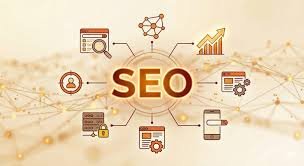
SEO is a combination of strategies, techniques, and practices aimed at improving a website’s visibility on search engines.
It involves:
- Optimizing content with relevant keywords
- Improving website structure
- Building backlinks
- Enhancing user experience
The ultimate goal of SEO is to attract the right audience and convert them into customers.

Why SEO is Important
SEO plays a critical role in online success. Here’s why it matters:
Increased Organic Traffic
Higher rankings lead to more clicks and visitors.
Better User Experience
SEO improves website speed, navigation, and usability.
Builds Credibility and Trust
Websites that rank higher are often seen as more trustworthy.
Cost-Effective Marketing
SEO provides long-term results without continuous ad spending.
Competitive Advantage
Businesses using SEO effectively outperform competitors.
Types of SEO
On-Page SEO
Mastering meta tags and content optimization is a foundational requirement if your goal is to become an SEO expert.On-page SEO focuses on optimizing elements within your website.
Key factors include:
- Keyword optimization
- Meta titles and descriptions
- Header tags (H1, H2, H3)
- Internal linking
- Image optimization
Well-optimized pages help search engines understand your content better.

Off-Page SEO
Off-page SEO involves actions taken outside your website to improve rankings.
Examples:
- Backlink building
- Guest blogging
- Social media sharing
- Influencer outreach
Backlinks act as “votes of trust” for your website.
Technical SEO
You cannot truly become an SEO expert without learning how site speed, mobile responsiveness, and clean site architecture impact rankings. Technical SEO ensures your website is easy for search engines to crawl and index.
Important aspects:
- Website speed
- Mobile responsiveness
- Secure connection (HTTPS)
- XML sitemap
- Fixing broken links
A technically sound website performs better in search rankings.
Keyword Research
Keyword research is the foundation of any SEO strategy. It helps you understand what your audience is searching for.
How to Do Keyword Research
- Identify your niche
- Use keyword tools
- Analyze competitors
- Focus on long-tail keywords
Types of Keywords
- Short-tail keywords (high competition)
- Long-tail keywords (low competition, high conversion)
- Informational keywords
- Transactional keywords
Choosing the right keywords ensures your content reaches the right audience.
Content Optimization
Content is the backbone of SEO. High-quality content improves rankings and engagement.
Best Practices
- Write for users first
- Use keywords naturally
- Add headings and subheadings
- Keep paragraphs short
- Use images and visuals
Content Structure
- Catchy introduction
- Clear headings
- Informative body
- Strong conclusion
Good content keeps users on your page longer, improving SEO performance.
On-Page SEO Techniques
Here are some advanced on-page SEO techniques:
Optimize Title Tags
Include your main keyword in the title.
Use Meta Descriptions
Write compelling descriptions to increase clicks.
Use Header Tags
Structure your content using H1, H2, and H3 tags.
Internal Linking
Link to other pages on your website.
Image Optimization
Use alt text and compress images for faster loading.
Technical SEO Best Practices
Technical SEO ensures your website performs well.
Improve Website Speed
Use caching, optimized images, and fast hosting.
Mobile Optimization
Ensure your website is mobile-friendly.
Use HTTPS
Secure websites rank better.
Fix Crawl Errors
Use tools to identify and fix issues.
Optimize URL Structure
Keep URLs short and keyword-rich.
Link Building Strategies
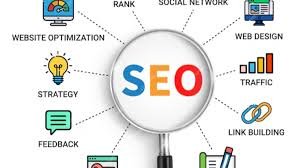
Acquiring high-quality backlinks is a crucial skillset to develop as you work to become an SEO expert. Backlinks are one of the most important ranking factors.
Effective Strategies
- Guest posting
- Creating shareable content
- Building relationships
- Directory submissions
Quality matters more than quantity when it comes to backlinks.
To step up your game and become an SEO expert, you need to focus heavily on search intent rather than just keyword stuffing.
Advanced SEO Strategies
Once you understand the basics, move to advanced techniques.
Content Clusters
Create multiple pieces of content around a single topic to build authority.
Voice Search Optimization
Optimize content for voice search queries.
Featured Snippets
Structure content to appear in Google’s featured snippets.
User Experience (UX)
Improve:
- Page speed
- Navigation
- Design
Better UX leads to higher rankings.
Core Web Vitals
Focus on:
- Loading speed
- Interactivity
- Visual stability
Local SEO
Local SEO helps businesses attract nearby customers.
Key Strategies
- Optimize Google Business Profile
- Use location-based keywords
- Get local reviews
- Add business details
Local SEO is essential for small businesses.
Common SEO Mistakes to Avoid
Avoid these mistakes to improve your rankings:
- Keyword stuffing
- Duplicate content
- Ignoring mobile optimization
- Slow website speed
- Not updating content
Fixing these issues can significantly boost performance.
SEO Tools You Should Use
Using the right tools makes SEO easier:
- Keyword research tools
- Analytics tools
- SEO audit tools
- Backlink analysis tools
These tools help track and improve performance.
Measuring SEO Success
Track your progress using key metrics:
- Organic traffic
- Keyword rankings
- Bounce rate
- Conversion rate
Regular monitoring helps you refine your strategy.

Future of SEO
SEO is constantly evolving. Future trends include:
- AI-driven search algorithms
- Voice search growth
- Mobile-first indexing
- Personalized search results
Staying updated is crucial for long-term success.
While it takes consistent testing, following this complete framework is the most reliable way to become an SEO expert today.
Conclusion
SEO is a powerful long-term strategy that can transform your online presence. From keyword research to advanced optimization techniques, every step plays a vital role in improving your rankings.
By focusing on quality content, user experience, and consistent optimization, you can achieve higher visibility and sustainable growth. Learn practical SEO, technical SEO, keyword research, link building, and Google Search Console with the Digital Marketing Courses in Andheri.
Commit to practicing these advanced strategies on real websites, because hands-on experience is the ultimate key to becoming an SEO expert in 2026.
Ready to Grow Your Website?
Start implementing these SEO strategies today and take your website to the next level.
👉 Contact Digital Sarvesh, Certified Digital Marketer In Mumbai.
👉 Get Free Consultation